Highlights:
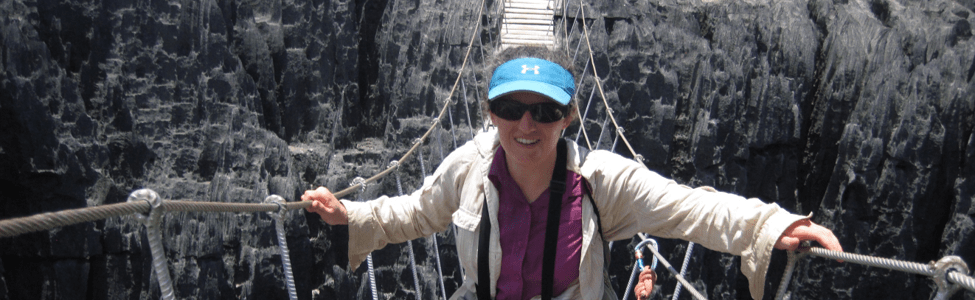
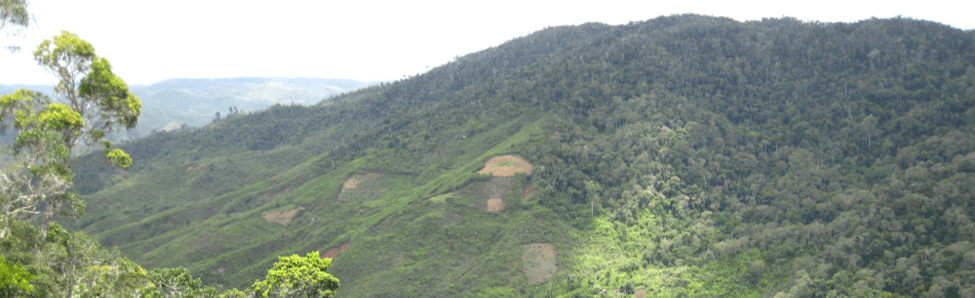
– The spectacular scenery at Parc National des Tsingy de Bemaraha.
– Lemurs! The lemur count totaled 13 species. Don’t forget the night hikes to observe a suite of lemurs unique from those active during the day.
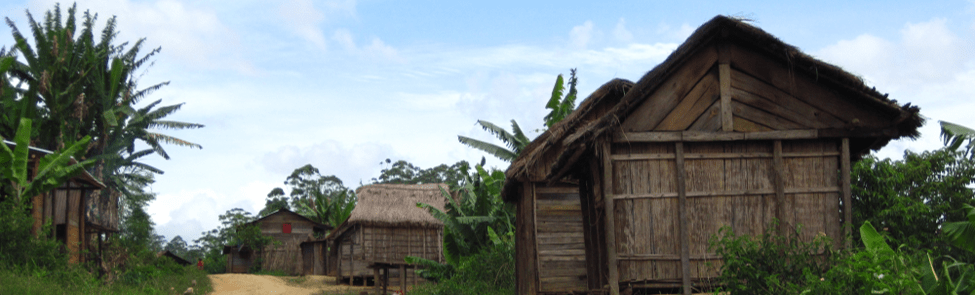
– Getting stuck in the mud. You can’t plan this authentic experience…or, can you? Could the villagers who make money pushing out vehicles have anything to do with the deep mudholes in the road?
– Primary rainforest in the Andasibe area.
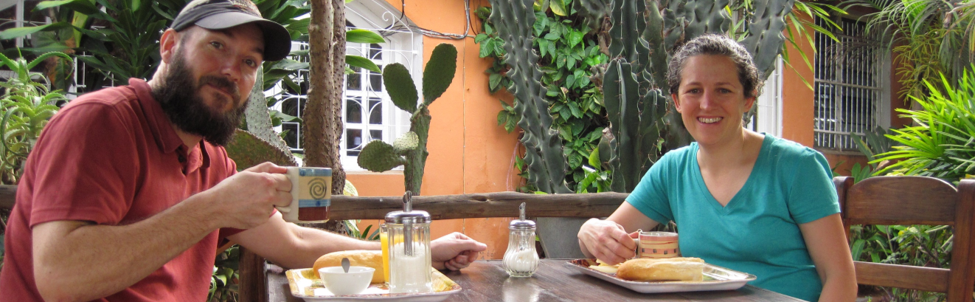
– Cafe Miranda. Every chance we could, we ate breakfast and lunch at this delicious bakery across from BNI bank in Ansirabe. We sadly did not have enough time to sample each of the variety of sweet and savory pastries inside the display case.
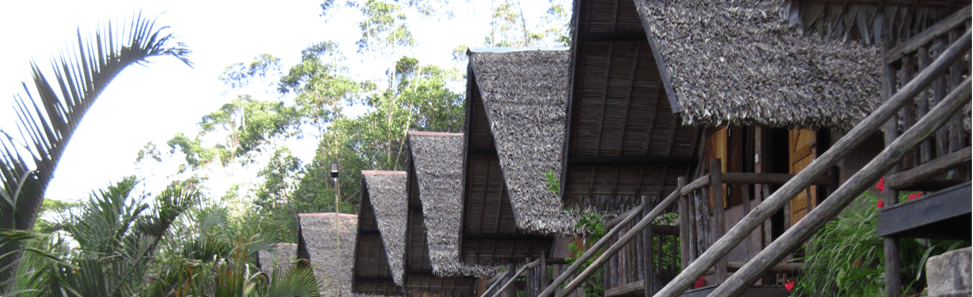
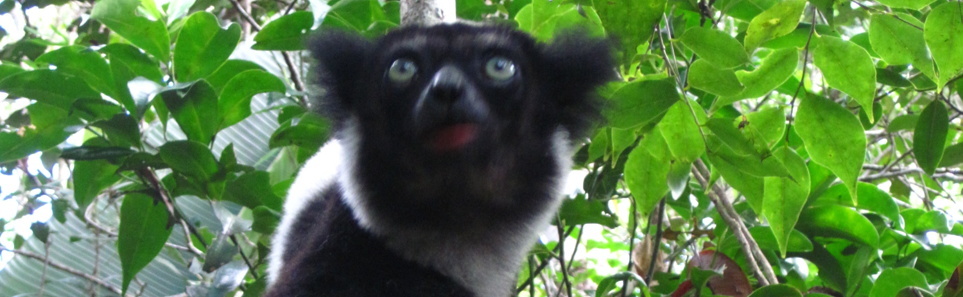
– Relaxing to the sound of indris at Hôtel Feon’ny Ala in Andasibe.
– The local eatery in Andasibe. No signs mark this establishment just to the right of the old train station as you enter town. The beans and pork, one of two options available that day, were delicious and cost close to nothing.
– The Rova in Ambohimanga was a very interesting place to explore and learn about Malagasy history.
Lesson Learned:
– Take out more money from the ATM than you think you will need. And then, take out more.
– The price of guides for the parks near Andasibe cost much more than our guidebook indicated. There are no ATMs near Andasibe. See bullet first bullet point.
– We budgeted too much time in Anananarivo. Two half days and nights as we traveled through would have been plenty. It so happened that I was sick on our whole day there, so I didn’t feel like I was missing out on anything.
– Of the several parks in the Andasibe area, Mahay Mitia Ala and Parc Mitsinjo are similar tracks of secondary forest. You can get even closer to the indri at Mitsinjo. The primary forest in Reserve de Maromizaha was worthy of more than one visits. Parc National de Mantadia is the other area of primary forest. I did not do there, because of the unexpected cost of transportation to get there. See first bullet point.
Day 1 – Ivato to Ansirabe
Our flight arrived at 11:30 the previous day. We had prearranged a taxi through email with our lodging to pick us up and take us to Le Manoir Rouge in Ivato, minutes away from the airport. In the morning we woke up in our cozy room and ordered breakfast in the beautiful courtyard. The lodge arranged a driver to us about an hour to the Fasan’ny Karana taxi-brosse station in Antananarivo. We rode in a crowded taxi-brousse from Tana to Ansirabe, about 3-4 hours. In Ansirabe, we walked about 2 km from the taxi-brousse station in the north part of town to town center. The first two hostels we tried had no vacancies. We checked into a bungalow in the beautiful courtyard at Green Park for two nights.
Day 2 – Ansirabe
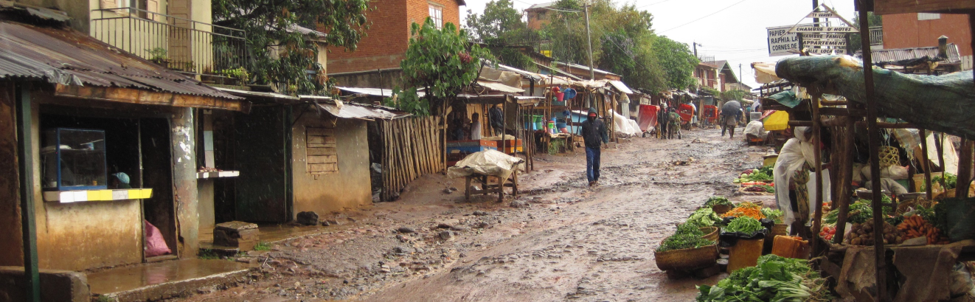
We rented bikes from Green Park and rode to Lac Andraikiba – we started around 4:30 am when it was cool and the traffic was light. We returned in the early morning and went to Chez Billy to meet with the guide association headquartered there. We booked a 5-night Tsiribihina River tour leaving the following day. In the afternoon, I walked around the eastern part of town and stopped in a few artisan shops.
Day 3 – Ansirabe to Miandrivazo
I toured a home candy factory in the morning. At noon, a minibus picked us at Green Park to start our tour. We rode all afternoon and evening to arrive in Miandrivazo where we spent the night in a hotel arranged through the tour.
Day 4 – Tsiribihina River
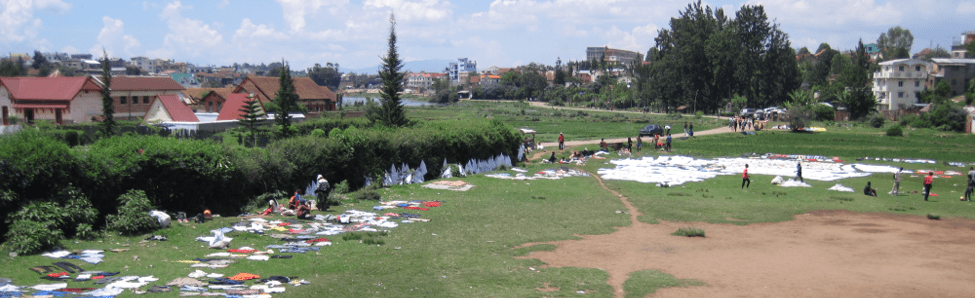
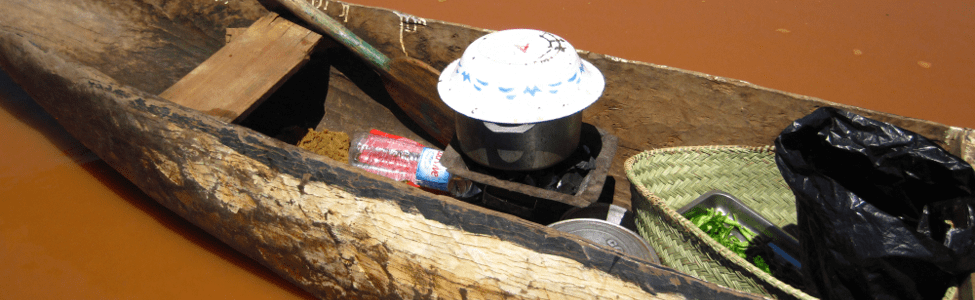
We woke very early and rode to the put-in on the river where a fleet of dugout canoes waited. Our canoe guide paddled us down the river all day, with a stop on a sandbar for a delicious lunch cooked in the canoe. We took a short walk to a waterfall, saw our first lemurs, and cooled off in the pool. We camped on a sandbar.
Day 5 – Tsiribihina River
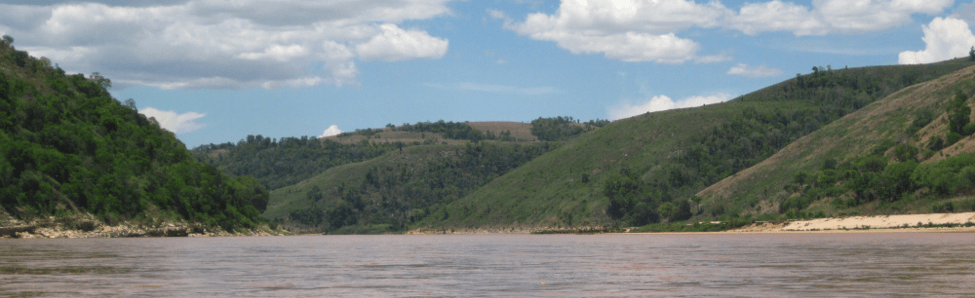
We spent the entire day on the river, with a couple of stops for coffee/tea and lunch. We camped on a sandbar again.
Day 6 – Tsiribihina River to Bekopaka
We floated the last, short stretch of river to the take-out and loaded up in 4WD vehicles. We rode to Bekopaka, with two ferry crossing and a stop for lunch in Belo-sur-Tsiribihna. We stayed in a bungalow just outside the small town.
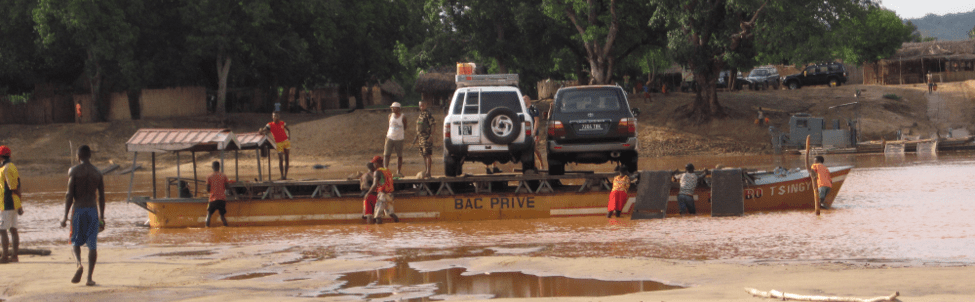
Day 7 – Parc National des Tsingy de Bemaraha
We rode to Grands Tsingy in Parc National des Tsingy de Bemaraha along a rough 4WD road. The travel time, 1 ½ hours one-way, greatly increases when you get stuck in the mud, both ways. Our guide led us on a circuit through rock spires and fins to a summit over looking the unusual landscape. We had harnesses to clip into anchored cables on the more exposed portions. In the afternoon, we visited Petits Tsingy. It was less impressive than the morning’s landscape, but it was more pleasant viewing the limestone formations in the evening light.
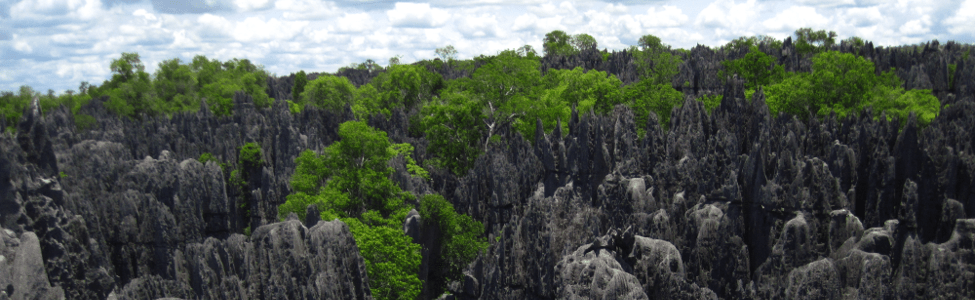
Day 8 – Bekopaka to Kirindy
We traveled south towards Morondava. We negotiated a one-day extension to our guided trip to stop at Reserve Forestiere de Kirindy before ending in Morondava, contingent on us paying the additional fee. The nearest ATM was in Morondava. We stopped in Belo-sur-Tsiribihna to exchange US dollars at a grossly inflated exchange rate and payed our guides. We checked into a very nice dorm room at Kirindy and went on a night hike to view several nocturnal lemur species.
Day 9 – Kirindy to Morondava
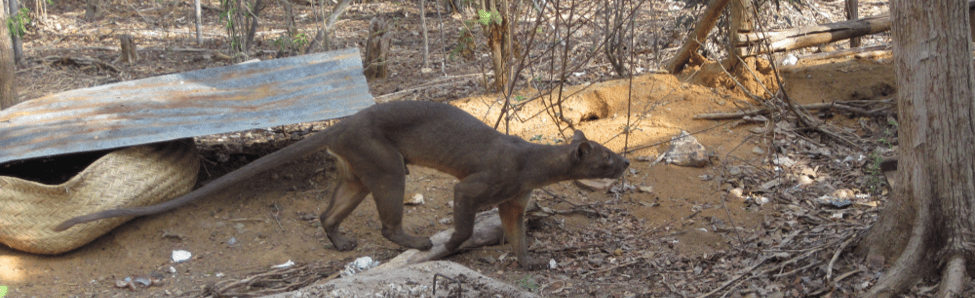
We went on an early morning guided hike to see several species of diurnal lemurs and a fossa. Low on cash, we ate fries for lunch at the park restaurant, the only place to eat in the vicinity. Our driver picked us up in the afternoon and drove us to Morondava with a stop at Allee des Baobabs to enjoy the iconic locale at sunset with dozens of other tourists. We arrived in Morondava after dark.
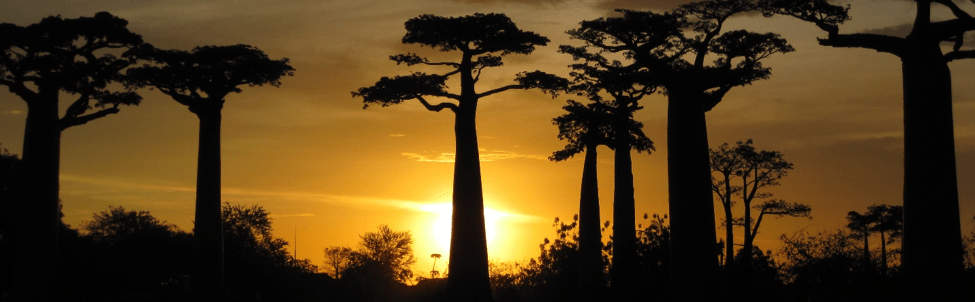
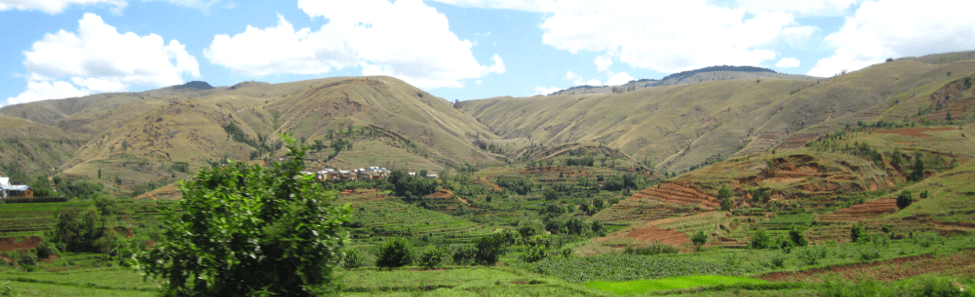
Day 10 – Morondava to Ansirabe
Our express taxi-brousse left Morondava at 2:30 am and stopped at a local restaurant for lunch on the 11 hour ride back to Ansirabe. We stayed at Green Park again.
Day 11 – Ansirabe to Antananarivo
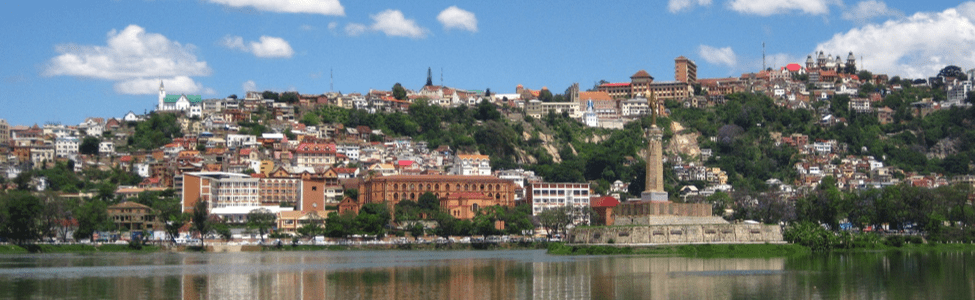
We had made reservations to take the Soatrans, a less crowded taxi, to Tana. We walked from the station up the hill to the center of town. Two hostels that were recommended to us were full. We checked into the quiet and quirky Bamboo Hotel and Spa. I visited the simple Musee d’Art et d’Acheologie.
Day 12 – Antananarivo to Andasibe
We took an early taxi to the Ampasampito taxi-brousse station. The first 2-hour taxi-brousse ride took us Moramanga where we switched taxi-brousses for the last hour to Andasibe. We were dropped off at Hôtel Feon’ny Ala at the turn-off to Andasibe. This hotel, fortunately, takes credit card; there are no ATMs in town. In the afternoon, I went on a guided hike in the secondary forest in Mahay Mitia Ala, about a 15 minute walk from the lodge. Olivier, my guide, had introduced himself to us on the taxi-brousse. We saw indri and chameleons.
Day 13 – Andasibe
We woke up to the song of the indri. We went on a morning hike with Olivier at Parc Mitsinjo, about a 10 minute walk from the lodge. It was a similar hike to the day before, but we were able to get much closer to a couple of indri that ate out of a guide’s hand. I went on a guided night hike in Parc Mitsinjo to see nocturnal lemurs and several more species of chameleon.
Day 14 – Andasibe
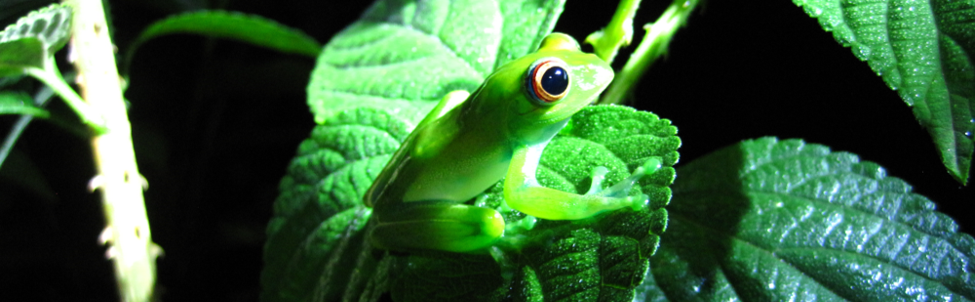
I arranged a bicycle rental the day before and rode to Réserve de Maromizaha in the morning for a guided hike. It was good exercise and, by not hiring a driver, we saved cash that we were getting low on again. We hiked through the lusher, primary forest. Fauna highlights included the large, striking black and white ruffed lemurs jumping high up in the canopy, the colorful Baron’s mantilla frog, the cartoonish long-necked weevil, and the cryptic collared nightjar. In the afternoon, I rode the bicycle to Adisibe and through the countryside to the north. Later in the evening, we spotted two sifaka while eating dinner at the lodge.
Day 15 – Andasibe
In the morning, I rode bicycle with Olivier to Réserve de Torotorofotsy, a very hilly 12 km. A woman at the small village guided up to an area in the rare wetland preserve where she showed us the golden mantilla, a rare frog. She told us about a railroad-grade shortcut to bypass about half of the steep hills on the return trip.
Day 16 – Andasibe to Antananarivo
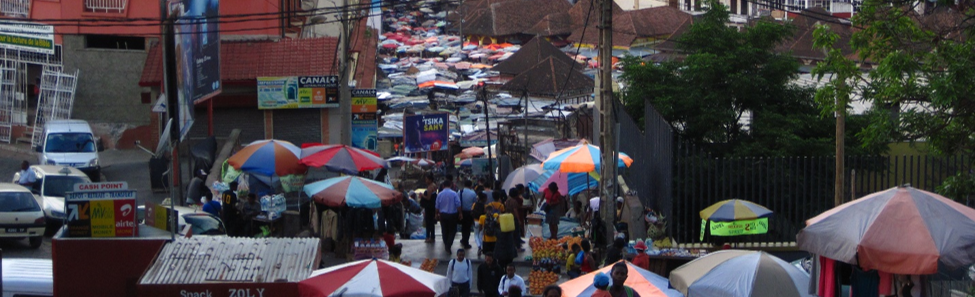
In the morning, we caught a taxi-brousse back to Antananarivo, through Moramonga. We did a little shopping and walking around the city. We stayed at Radama Hotel, a nice modern hotel with above-and-beyond helpful English-speaking staff.
Day 17 – Antananarivo
We walked around the city some. We didn’t do much the rest of the day, because I wasn’t feeling well.
Day 18 – Antananarivo to Ivato
We had the hotel arrange a taxi to take us to the Ethnographic Museum in Ifafy and the Rova in Ambohimanga. Our final destination was Le Manoir Rougue in Ivato to wait for our flight late that night. I walked to tour the Croc Farm, an interesting place to spend some extra time.
 Circumambulating the Globe